Saturday, 9 February 2013

Tawaraya Sotatsu

Tawaraya Sotatsu
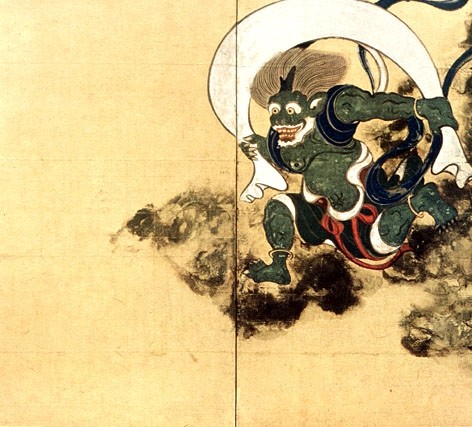
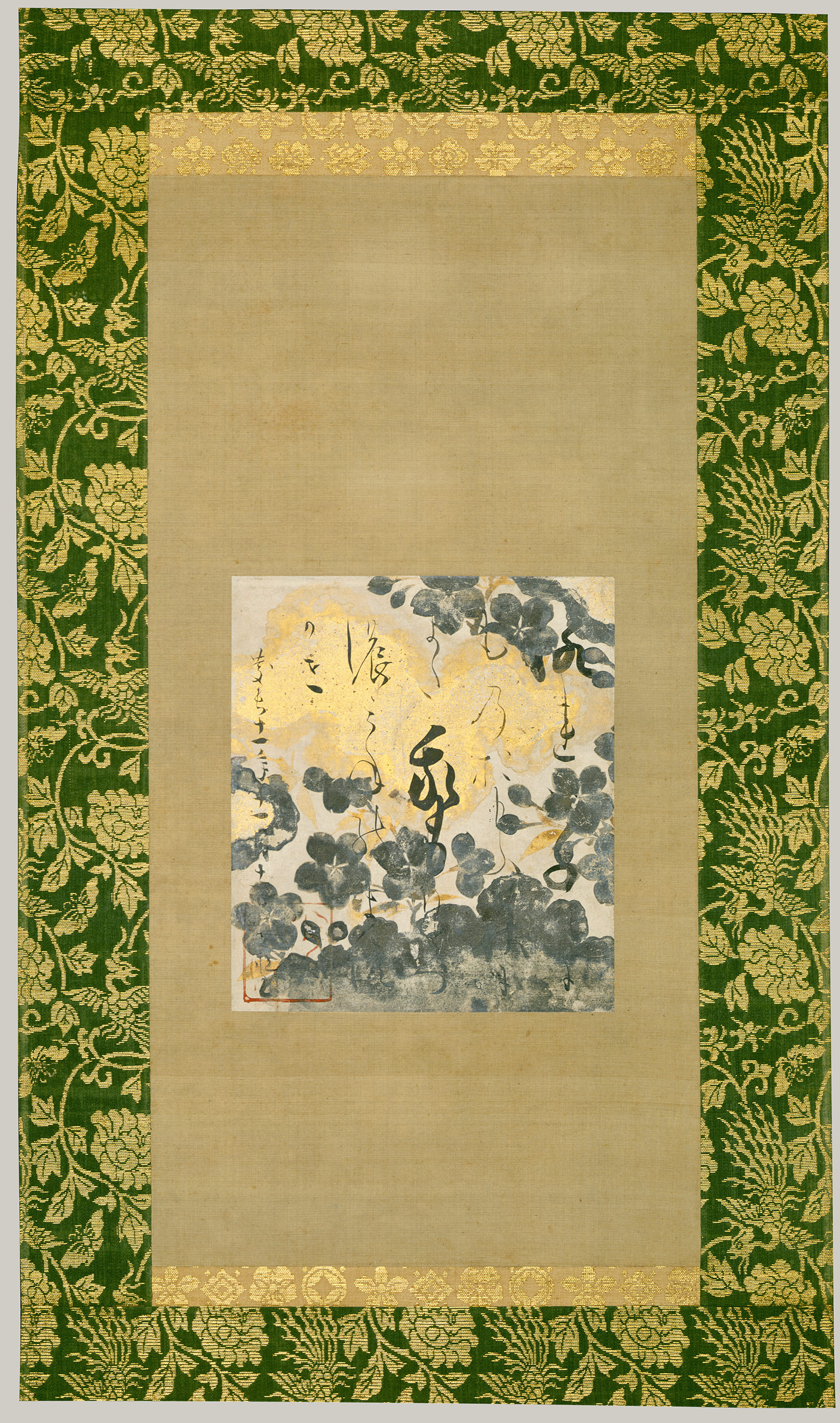
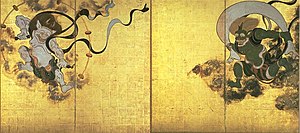
Tawaraya Sōtatsu ( fl. early 17th century) was a Japanese artist and also the co-founder of the Rimpa school of Japanese painting. Sōtatsu began to work as a fan-painter in Kyoto. Later, he rose to work for the court as a producer of fine decorated papers for calligraphy. He was highly influenced by Kyoto’s courtly culture. Sōtatsu met the great designer and calligrapher Hon’ami Koetsu, and painted under-designs in gold and silver for his writing. Sōtatsu excelled in projects that needed careful placing of decorative screens and fans, and took this to its highest level. He pioneered a new boldness of color and line. He popularized a technique called tarashikomi, which was carried out by dropping one color onto another while the first was still wet. 
Tawaraya Sotatsu
Tawaraya Sotatsu
Tawaraya Sotatsu
Tawaraya Sotatsu
Tawaraya Sotatsu
Tawaraya Sotatsu
Tawaraya Sotatsu
Tawaraya Sotatsu
Tawaraya Sotatsu
Tawaraya Sotatsu
Tawaraya Sotatsu


Daniel Taylor

Daniel Taylor
Daniel Taylor completed his undergraduate studies in English, philosophy and music at the Faculty of Music of McGill University (Montreal) and his graduate work in religion and music at the Université de Montréal. He continued overseas at the Royal Academy of Music and Royal College of Music in London with leaders of the baroque movement including the countertenor Michael Chance.Taylor's Glyndebourne debut in the 1997 Peter Sellars's production of Handel's Theodora was followed by his operatic debut in Handel's Rodelinda. His other operatic roles have included Nerone in Monteverdi's L'incoronazione di Poppea, Hamor in Handel's "Jephtha", Oberon in Britten's "A Midsummer Night's Dream" and Tolomeo in Handel's Giulio Cesare. Taylor's repertory includes sacred works, lute songs, and contemporary works.
Daniel Taylor
Daniel Taylor
Daniel Taylor
Daniel Taylor
Daniel Taylor
Daniel Taylor
Daniel Taylor
Daniel Taylor
Daniel Taylor
Daniel Taylor
Daniel Taylor
      

Persis Goodale Thurston Taylor

 Persis Goodale Thurston Taylor
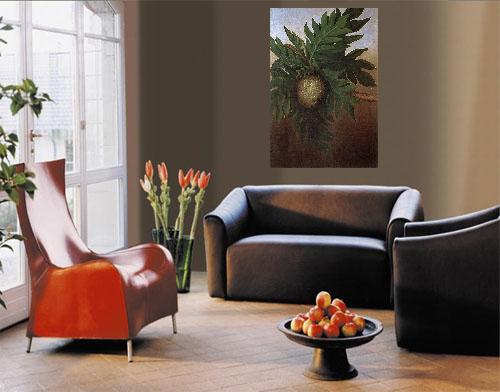
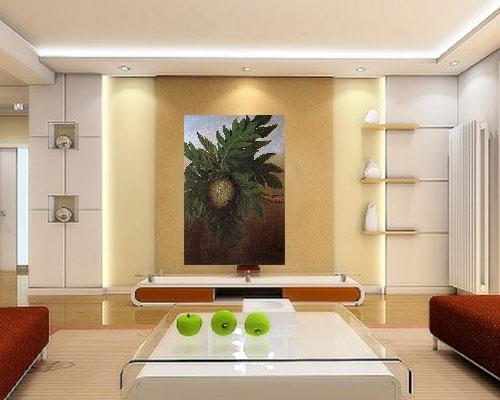
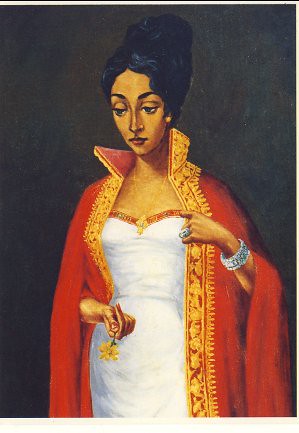
Persis Goodale Thurston Taylor (1821–1906) was a painter and sketch artist who was born in Kailua-Kona, Hawaii on September 28, 1821. Her parents, Reverend Asa Thurston (1787–1868) and Lucy Goodale Thurston (1795–1876), were in the first company of American Christian missionaries to the Hawaiian Islands. When she was four, she had been asked to be given in hānai to Princess Kapulikoliko, daughter of Kamehameha I. Her mother politely refused. The concept of giving a child to be raised by a relative or friend was common in Hawaii, but it horrified the missionaries who preached one doesn't give out their children like puppies.[1]:88 For three years, she lived in Lahaina, Maui, where she assisted in the work of the seminary press at Lahainaluna School.[2] In 1847, she married Rev. Townsend Elijah Taylor of LaGrange, New York, who was serving as the seaman's chaplain for the Port of Lahaina.
Persis Goodale Thurston Taylor
 
Persis Goodale Thurston Taylor


Afewerk Tekle

Afewerk Tekle
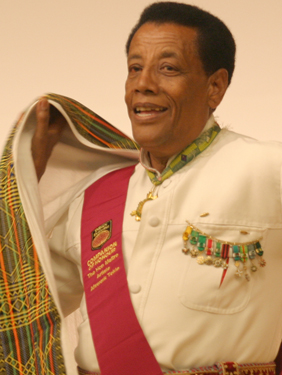
Afewerk Tekle (22 October 1932 – 10 April 2012) was one of Ethiopia's most celebrated artists, particularly known for his paintings on African and Christian themes as well as his stained glass.Born in Ankober to Feleketch Yamatawork and Tekle Mano, Afewerk grew up under the Italian occupation during the Second World War. Following the war, in 1947, Afewerk decided that he wanted to help rebuild Ethiopia and elected to travel to England to study mining engineering. Before departing, Afewerk, together with other students leaving to study overseas, was addressed by Emperor Haile Selassie. Afewerk recalls being told "you must work hard, and when you come back do not tell us what tall buildings you saw in Europe, or what wide streets they have, but make sure you return equipped with the skills and the mindset to rebuild Ethiopia".
Afewerk Tekle
Afewerk Tekle
Afewerk Tekle
Afewerk Tekle
Afewerk Tekle
 
Afewerk Tekle
Afewerk Tekle
Afewerk Tekle
Afewerk Tekle
Afewerk Tekle
Afewerk Tekle
    

Friday, 8 February 2013

Abraham van den Tempel

Abraham van den Tempel
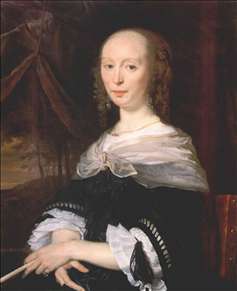
He probably learned painting from his father, also a painter, but who died when he was still quite young, in 1636. That is the same year that he moved to Amsterdam, where he stayed until 1647, whereupon he moved to Leiden.[1] According to Houbraken he was the son of a Mennonite preacher in Leeuwarden who was a respected art teacher. His father was Lambert Jacobsz (or Jacobszoon), who had taught Govert Flinck and Jacob Adriaensz Backer in their youth, both of whom were artists from Mennonite families. Abraham took the name Tempel because when he studied in Leiden, he lived in a house there with a relief of a Tempel in the keystone.
Abraham van den Tempel