Friday, 8 February 2013

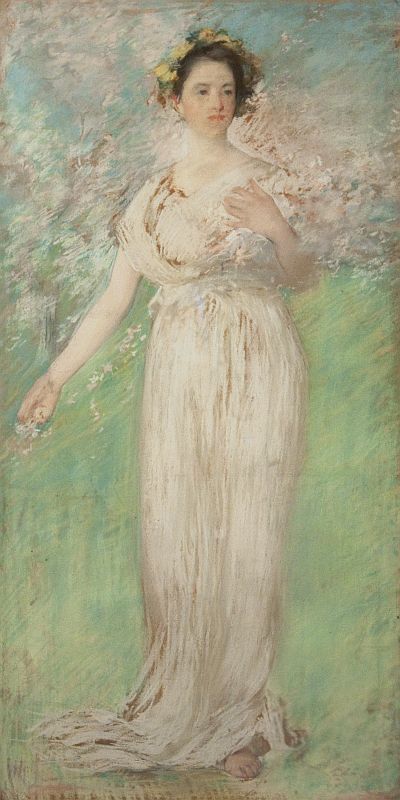
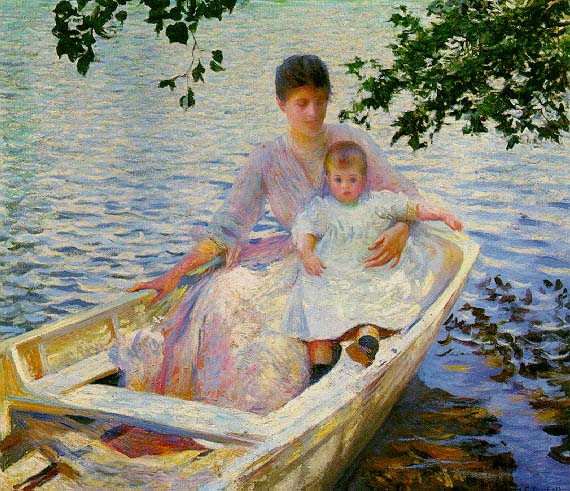
Edmund Charles Tarbell

Edmund Charles Tarbell
Edmund Charles Tarbell (April 26, 1862 – August 1, 1938) was an American Impressionist painter. He was a member of the Ten American Painters. His work is held by the Smithsonian American Art Museum, the Corcoran Gallery and the National Academy of Design, among others.Edmund Charles Tarbell, called "Ned" as a boy, was born at West Groton, Massachusetts, the second of two children. His father, Edmund Whitney Tarbell, died in 1863 after contracting typhoid fever while serving in the Civil War. His widowed mother, Mary Sophia (Fernald) Tarbell, married David Frank Hartford and moved with him to Milwaukee, Wisconsin. She left young "Ned" and his sister, Nellie Sophia, to be raised by their paternal grandparents in Groton. Their father's earliest Tarbell ancestor had immigrated from England in 1647.
Edmund Charles Tarbell
 
Edmund Charles Tarbell
 
Edmund Charles Tarbell


Alain Tasso

Alain Tasso
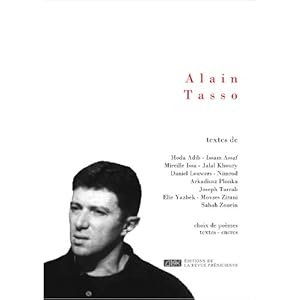
Alain Tasso is a Franco-Lebanese poet, painter and essayist, born in Beirut on July 22, 1962. An autodidact, his prolific intense literary work is largely commented on by critics.Tasso attended high school at the Grand Lycée franco-libanais de Beyrouth, but refused to sit for his baccalaureate exam deciding to go for accounting studies, a domain he only stayed in for few years. He worked between 1992 and 2000 as a freelancer for numerous French and Arabic magazines and daily papers in Beirut (L'Orient Le Jour for instance), and published in 1993 a youth poem collection featuring a magnificent preface written by the Lebanese poet Said Akl.
Alain Tasso
Alain Tasso
Alain Tasso
 Alain Tasso
Alain Tasso
Alain Tasso
Alain Tasso
Alain Tasso
Alain Tasso
Alain Tasso
 
Alain Tasso


Yves Tanguy

Yves Tanguy
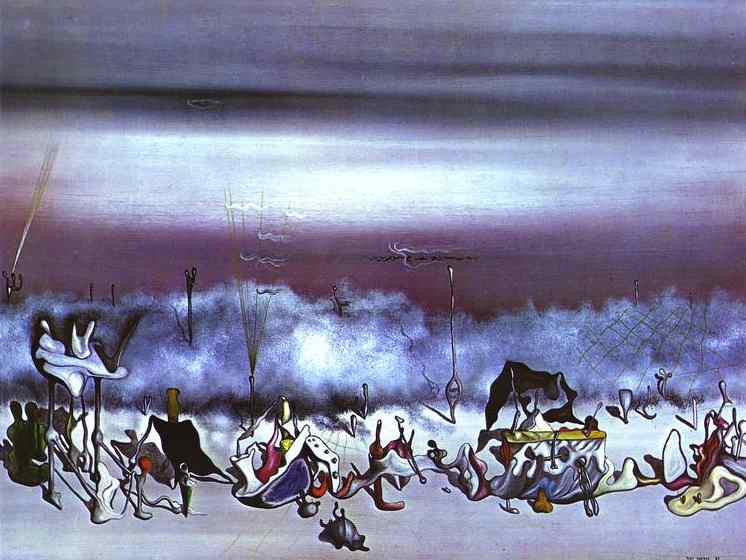
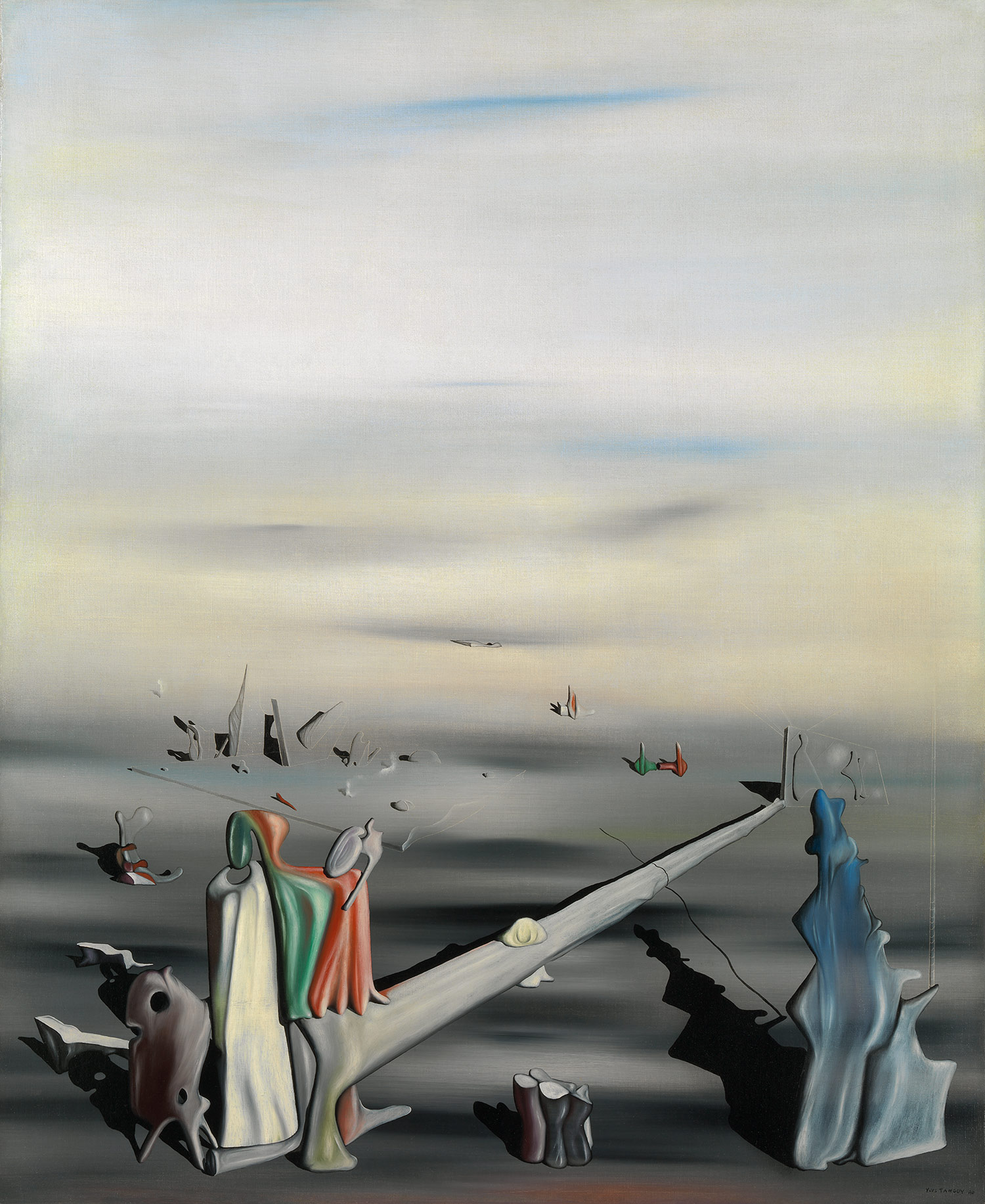
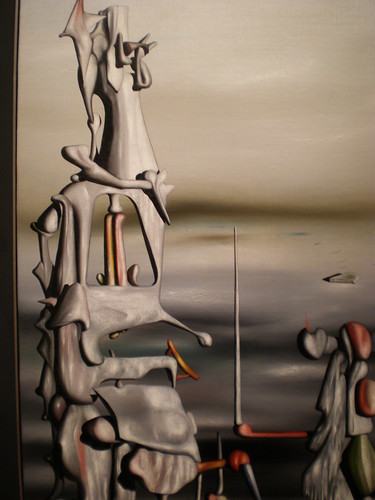
Tanguy was born in Paris, France, the son of a retired navy captain. His parents were both of Breton origin. After his father's death in 1908, his mother moved back to her native Locronan, Finistère, and he ended up spending much of his youth living with various relatives.In 1918, Yves Tanguy briefly joined the merchant navy before being drafted into the Army, where he befriended Jacques Prévert. At the end of his military service in 1922, he returned to Paris, where he worked various odd jobs. By chance, he stumbled upon a painting by Giorgio de Chirico and was so deeply impressed he resolved to become a painter himself in spite of his complete lack of formal training.
Yves Tanguy
Yves Tanguy
 Yves Tanguy
Yves Tanguy
Yves Tanguy
Yves Tanguy
Yves Tanguy
Yves Tanguy
Yves Tanguy
Yves Tanguy
Yves Tanguy


Tang Yifen

Tang Yifen
Tang Yifen (T'ang I-fen, traditional: , simplified: ); ca. 1778-1853 was a Chinese landscape painter and calligrapher during the Qing Dynasty (1644–1912).Tang was born in the Jiangsu province.[1] His style name was 'Ruoyi' and his sobriquets were 'Yusheng, Qing-ying monk and Zhouweng'. Tang painted both landscapes and ink plums in a style of great sensitivity, much in the same manner as Dai Xi. He also did calligraphy, especially running script.
Tang Yifen
Tang Yifen
Tang Yifen
Tang Yifen
Tang Yifen
Tang Yifen
Tang Yifen
Tang Yifen
Tang Yifen
Tang Yifen
Tang Yifen


Thursday, 7 February 2013

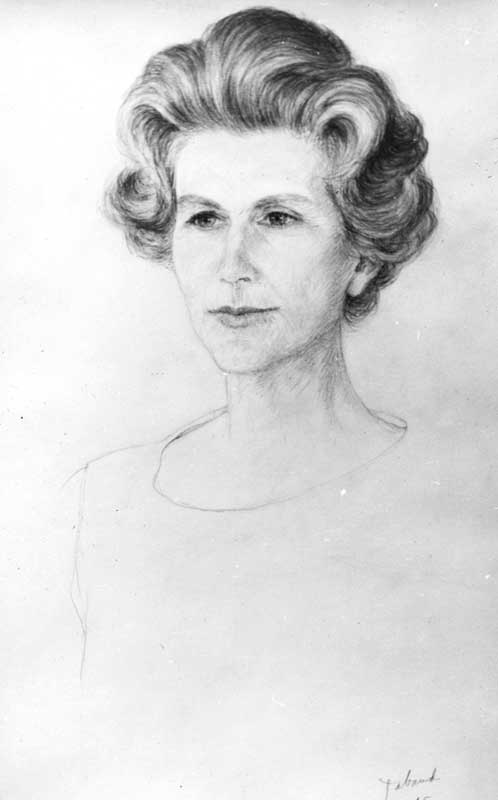
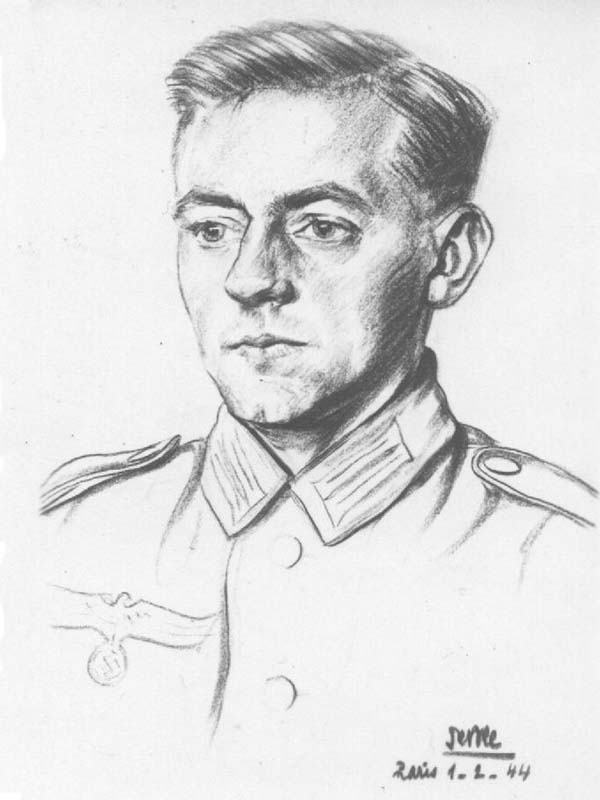
Jean Tabaud

Jean Tabaud
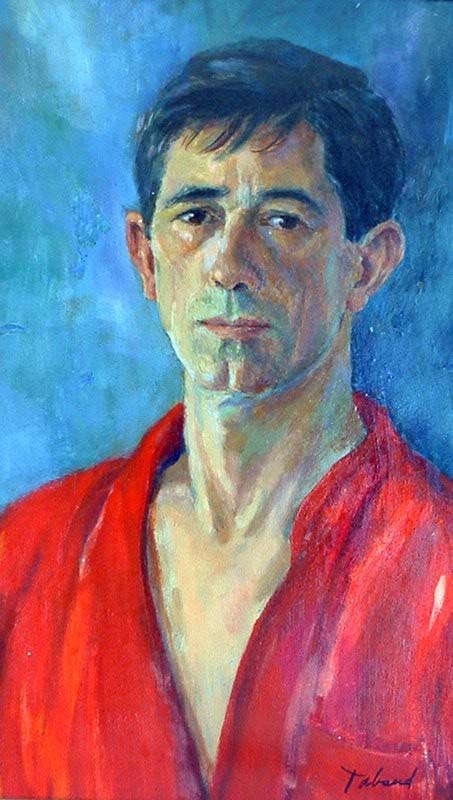
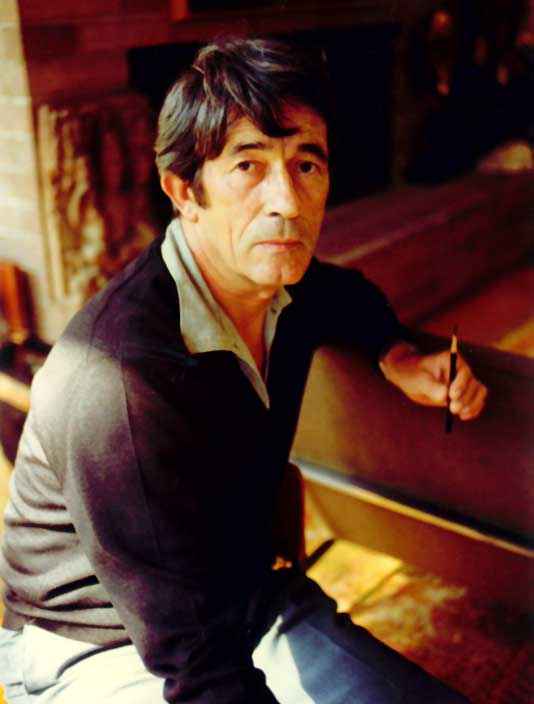
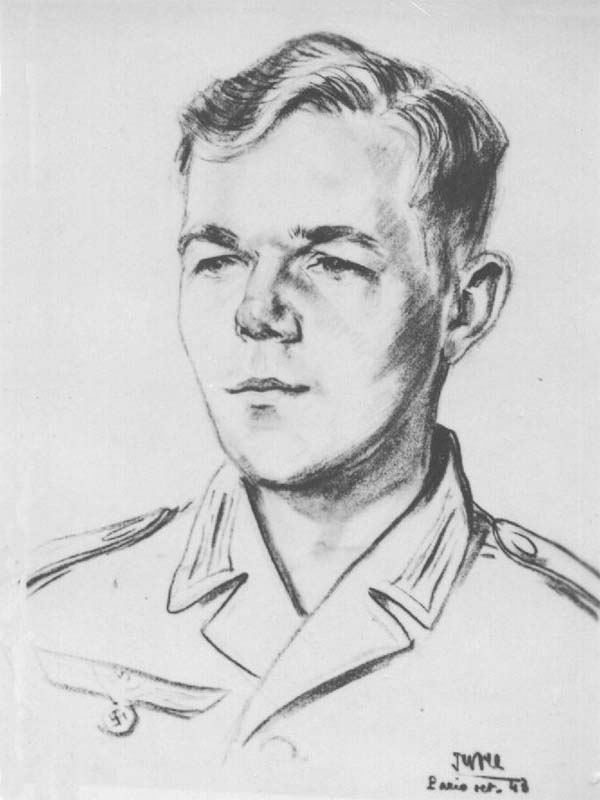
Jean Tabaud (1914–1996) was a French portrait painter and war artist.Born Jean Gilbert Tabaud on July 5, 1914, in the small town of Saujon, France, on the Southwest Atlantic coast, north of Bordeaux. He was the son of Lucien Tabaud and Ernestine Tabaud Hillairet. His father was a butcher by profession, who served in World War I, where he was wounded and gassed during the conflict.A first career in classical dance with the Ballets Russes, dancing in Paris, Berlin, Geneva, Belgium, Switzerland, Rio de Janeiro, Tangier, Casablanca, and Argentina was interrupted by a spine injury which forced him to give up dancing altogether. He returned to France to seek treatment for his back but instead met up with the outbreak of World War II. He was immediately drafted into the French Army, witnessed the fall of France to Germany, and was taken prisoner in 1941.
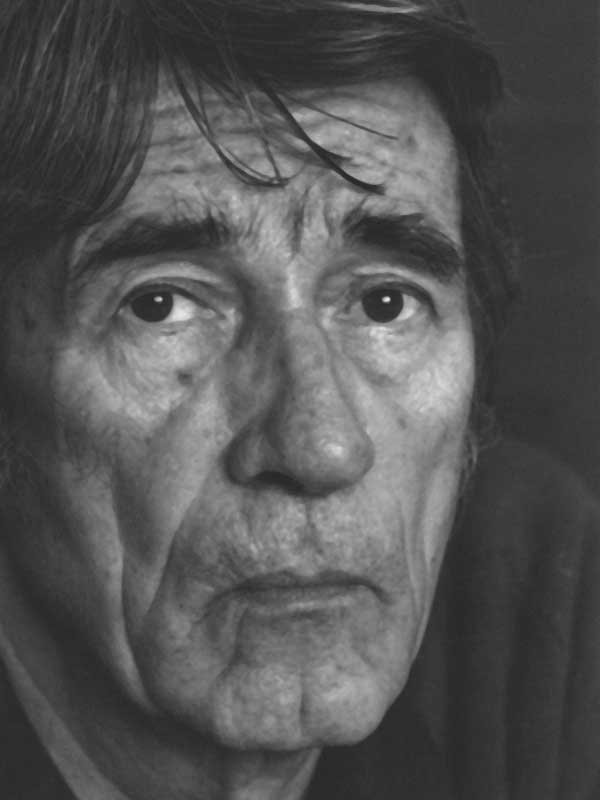
Jean Tabaud
Jean Tabaud
Jean Tabaud
Jean Tabaud
Jean Tabaud
Jean Tabaud
Jean Tabaud
Jean Tabaud
Jean Tabaud
Jean Tabaud
Jean Tabaud